EV Car Loans and Insurance in 2026: Federal Incentives, Best Rates & Unique Pros/Cons for Electric Vehicles
Electric vehicles are booming in 2026 with strong federal incentives, but financing and insuring them has unique challenges and opportunities. Here’s the complete guide.
EV Loan Rates & Financing
- Rates similar to gas cars but some lenders offer EV-specific discounts.
- Best lenders: Credit unions, Bank of America, Capital One with EV programs.
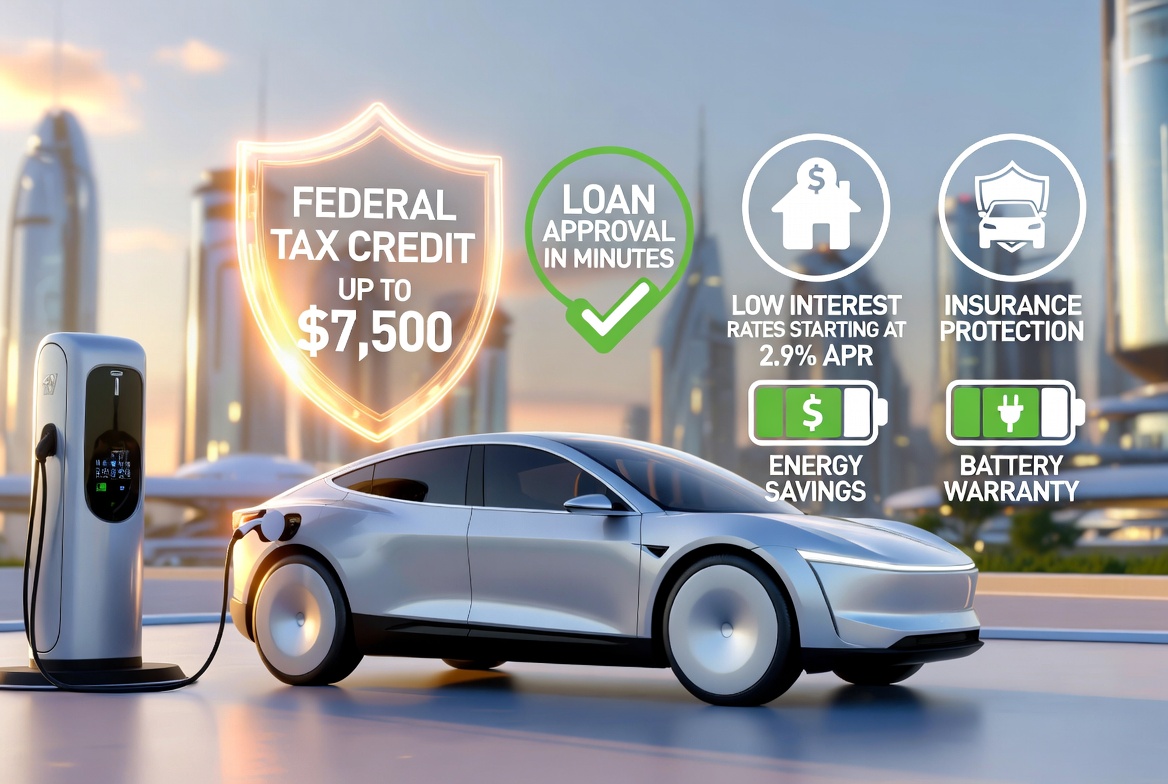
- Incentives: Up to $7,500 federal tax credit (new), state rebates.
- Longer terms available due to high prices.
Pros of EV loans:
- Lower operating costs offset higher upfront.
- Special low-rate programs.
- Tax credits reduce effective price.
Cons:
- Higher purchase price → larger loan.
- Battery/warranty concerns for lenders.
- Charging infrastructure in some areas.
EV Insurance in 2026
- Often 10–30% higher due to repair costs (batteries expensive).
- Best companies: Progressive, GEICO, Travelers with EV-friendly policies.
- Usage-based programs save more on EVs (efficient driving).
- Some discounts for home charging/safety features.
Pros:
- Lower fuel = overall savings.
- Safety features lower premiums long-term.
Cons:
- Higher premiums initially.
- Limited repair shops.
- Theft/vandalism risks in some areas.
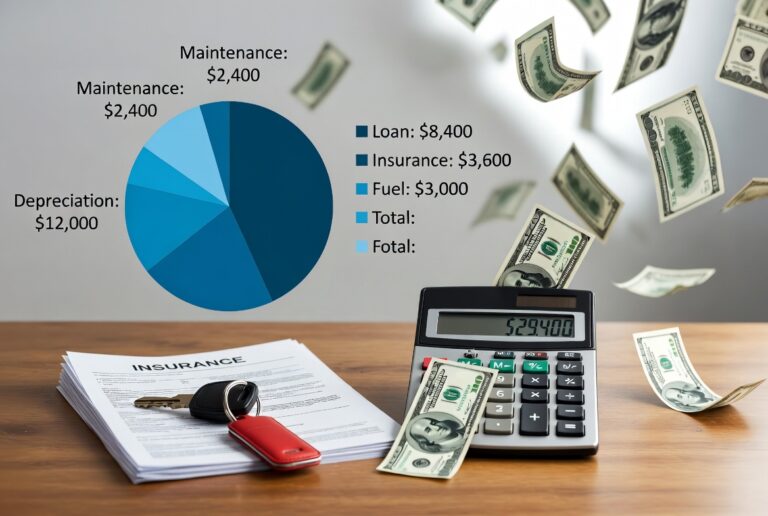
Cost Breakdown Example (2026 EV vs Gas)
- $55k EV vs $35k gas.
- Loan + insurance + electricity/gas + maintenance: EV often cheaper after 3–5 years with incentives.
Best Strategies for EV Ownership
- Maximize tax credits.
- Shop specialized EV financing.
- Get multiple insurance quotes.
- Home charger installation for savings.
- Consider used EVs for better value.
2026 Outlook: Incentives strong, rates competitive — EVs great for high-mileage drivers.
CTA: EV or gas — your thoughts? Next article coming!