Usage-Based Insurance (UBI) Programs Explained: Do They Save Money? Top Providers Pros & Cons in 2026
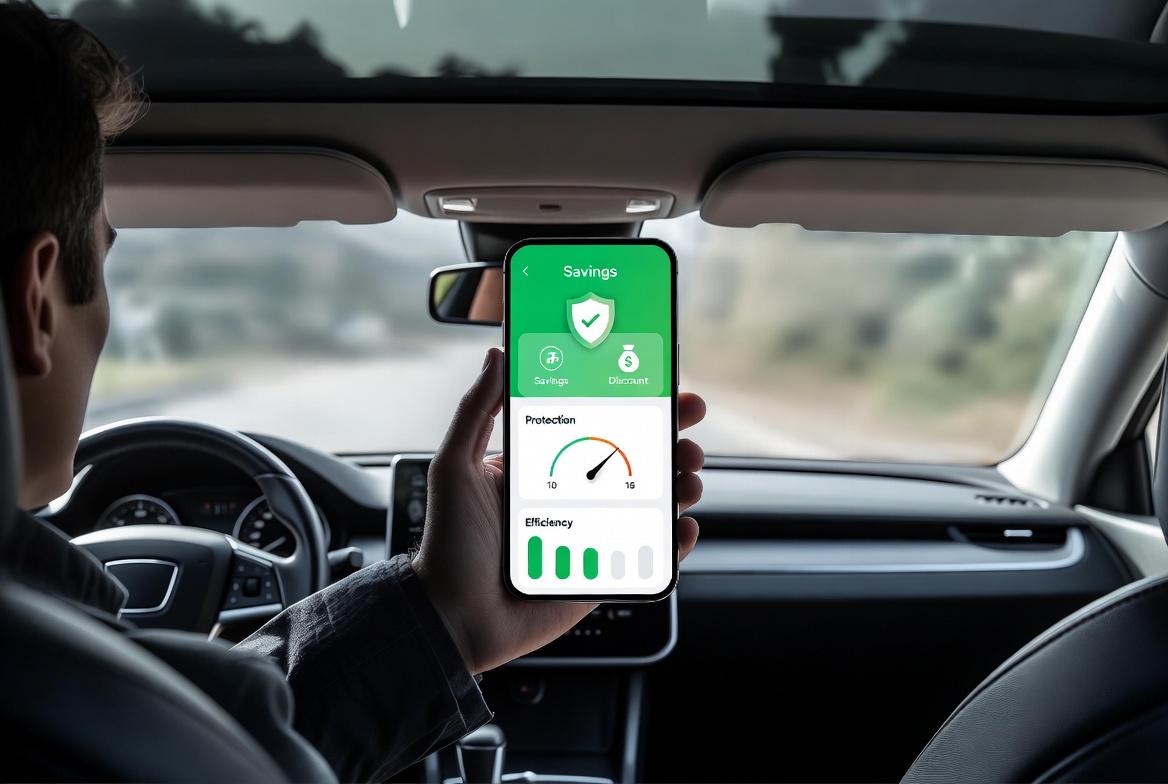
Usage-Based Insurance (UBI) or telematics programs use driving data (speed, braking, mileage, time of day) to personalize premiums. In 2026, they’re more popular than ever with app-based tracking. Here’s everything you need to know.
How UBI Works
- Install app or device (or use phone).
- Data collected for 3–12 months.
- Safe driving = discounts up to 30–50%.
- Risky habits = higher rates or cancellation.
Top UBI Programs in 2026
- Progressive Snapshot: Long-standing leader, big savings for safe drivers.
- GEICO DriveEasy: App-based, easy.
- State Farm Drive Safe & Save: Strong integration.
- Allstate Drivewise: Good for younger drivers.
- Travelers IntelliDrive: Competitive.
Pros of UBI
- Big savings: Safe drivers save hundreds yearly.
- Rewards good habits: Braking, acceleration, mileage.
- Discount stacking: Combine with other savings.
- Data insights: Improve driving.
Cons of UBI
- Privacy concerns: Location and behavior tracking.
- Punishes normal driving: Night shifts, city traffic.
- Not for everyone: High-mileage or certain professions penalized.
- Rate hikes possible: If data shows risk.
Real example: Safe driver saves $450/year; aggressive driver pays $300 more or loses coverage.
Is It Worth It in 2026?
- Yes for low-mileage, safe, daytime drivers.
- Maybe — test with app before committing.
- No for high-mileage, commercial, or privacy-focused.
Tips for Maximizing Savings
- Drive smoothly, avoid hard brakes.
- Limit night driving if possible.
- Compare programs before enrolling.
- Review data reports.
- Switch off if not beneficial.
Bottom Line: UBI rewards safe low-mileage drivers but isn’t universal. Shop and test carefully.
CTA: Have you tried UBI? Results? Share below!