How Credit Scores Affect Your Car Loan and Insurance Rates in Every US State (2026 Data)
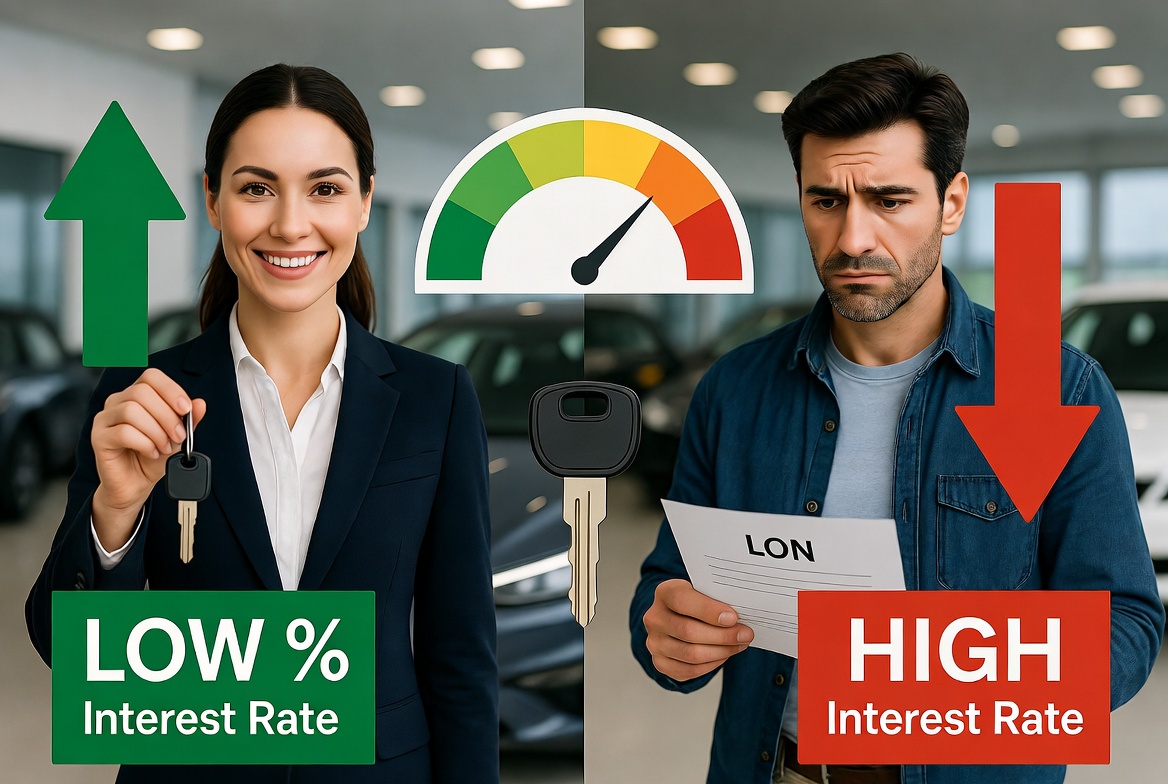
Your credit score is one of the biggest factors determining how much you’ll pay for a car loan and auto insurance in 2026. A difference of 100–200 points can cost (or save) you thousands of dollars annually.
Using the latest Experian, Bankrate, and insurance industry data as of June 2026, here’s exactly how it works, state variations, and actionable steps to improve your score and lower costs.
Credit Score Tiers & Auto Loan Rates (June 2026)
| Tier | Score Range | New Car Avg APR | Used Car Avg APR | Monthly Payment Example ($35k / 60 mo) |
|---|---|---|---|---|
| Super Prime | 781+ | 4.66% | 7.70% | ~$654–$680 |
| Prime | 661–780 | 6.27% | 9.98% | ~$680–$720 |
| Near-Prime | 601–660 | 9.57% | 14.49% | ~$730–$780 |
| Subprime | 501–600 | 13.17% | 19.42% | ~$800+ |
| Deep Subprime | 300–500 | 16.01% | 21.85% | $850+ |
Savings example: Moving from Near-Prime to Prime on a $35k new car loan saves ~$1,800–$3,000 in total interest over 5 years.
How Credit Affects Auto Insurance Rates
Insurance companies use insurance-based credit scores (similar but not identical to FICO). Lower scores = higher perceived risk.
Typical impact (national averages 2026):
- Excellent credit: 10–30% lower premiums.
- Poor credit: 20–100%+ higher rates (some states limit this).
- Example full-coverage policy: $1,200/year (excellent) vs $2,000–$2,800/year (poor).
State variations:
- California, Hawaii, Massachusetts: Strict limits or bans on using credit for insurance rating.
- Texas, Florida, New York: Allowed but with consumer protections.
- Most states: Fully allowed and heavily used.
Top insurers like Travelers, GEICO, and Progressive weigh credit differently — shop around.
Best & Worst Strategies by Credit Tier
Excellent Credit (781+):
- Best: Credit unions (PenFed, Navy Federal) for lowest rates.
- Worst: Accepting dealer markup.
- Insurance tip: Bundle home/auto for max discounts.
Good/Fair Credit (601–780):
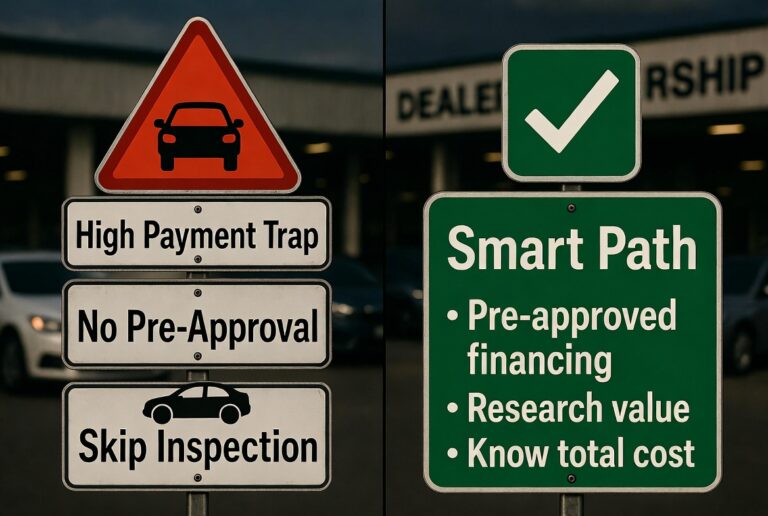
- Best: Pre-approval + rate shopping.
- Worst: Multiple applications without pre-qual (soft pulls first).
- Fix: Pay down revolving debt to boost score quickly.
Bad Credit (Below 600):
- Best: Credit unions or lenders like Capital One that work with fair credit; consider co-signer.
- Worst: High-cost “buy here pay here” lots or payday-style auto loans.
- Insurance: Look for non-standard insurers or usage-based programs.
Pros & Cons of Letting Credit Dictate Decisions
Pros of strong credit: Lower rates, better approval odds, more lender choices. Cons: Takes time to build; temporary dings (e.g., from inquiries) hurt short-term.
Overall: Improving your score by even 50–100 points before buying is one of the highest-ROI moves.
Actionable 2026 Steps to Boost Score & Lower Costs
- Check your score (free via banks, Credit Karma, or official reports).
- Dispute errors (up to 25% of reports have mistakes).
- Pay down credit card utilization below 30%.
- Make all payments on time (35% of FICO).
- Avoid new credit applications until after the car purchase.
- Get pre-qualified (soft pull) from multiple lenders.
- Shop insurance separately — credit impact varies by company.
- Consider secured credit cards or credit-builder loans if starting low.
Timeline: Many see 50–100 point gains in 1–3 months with focused effort.
State-Specific Notes
- High-cost states (CA, NY, FL): Insurance more expensive overall — credit matters even more.
- Midwest/South: Often better used car deals + credit union access.
- Military-heavy states: USAA or Navy Federal advantages.
Long-term tip: A strong credit score compounds savings across loans, insurance, housing, and more.
By understanding and actively managing your credit in 2026, you turn it from a barrier into your biggest car-buying advantage.