In March 2026, the traditional divide between urban and rural life in Europe is undergoing a profound transformation. The “all-or-nothing” choice of previous decades has evolved into a spectrum of Hybrid Living, where technology and shifting social values are redefining what it means to live in a city or the countryside.
1. Urban Living: The “Dense & Digital” Hubs
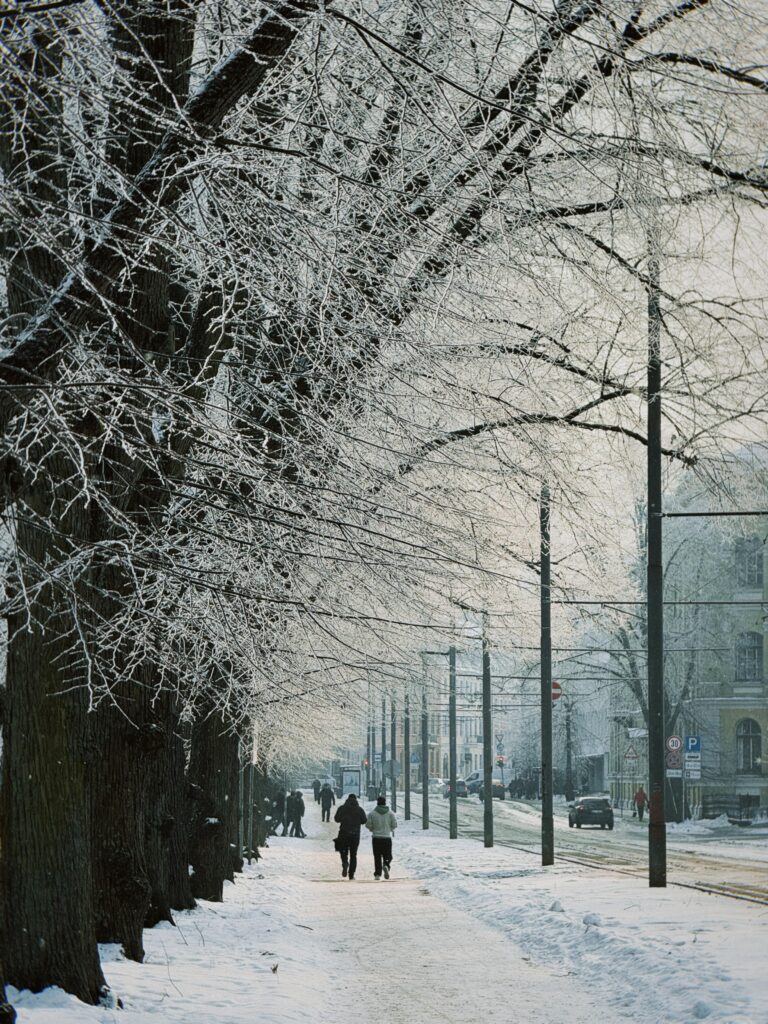
In 2026, major European cities like London, Paris, Berlin, and Madrid continue to grow, but they are increasingly defined by efficiency and environmental mandates.
- The Productivity Powerhouse: Metropolitan regions currently produce nearly 25% of the EU’s economic output, despite housing only about 16% of its population. Cities remain the primary magnets for R&D, patent innovation, and specialized talent in AI and tech.
- The Cost-of-Living Crisis: A defining urban struggle in 2026 is housing. Roughly 45% of city dwellers rent (compared to 22% in rural areas), and approximately 11% spend more than 40% of their income on housing costs.
- Green Urbanism: European cities are becoming significantly more energy-efficient. Residential greenhouse gas emissions per person are now 40% lower in cities than in rural areas, thanks to compact apartment living and superior public transport networks in cities like Vienna, Prague, and Helsinki.
2. Rural Life: Revitalization and “Communalism”
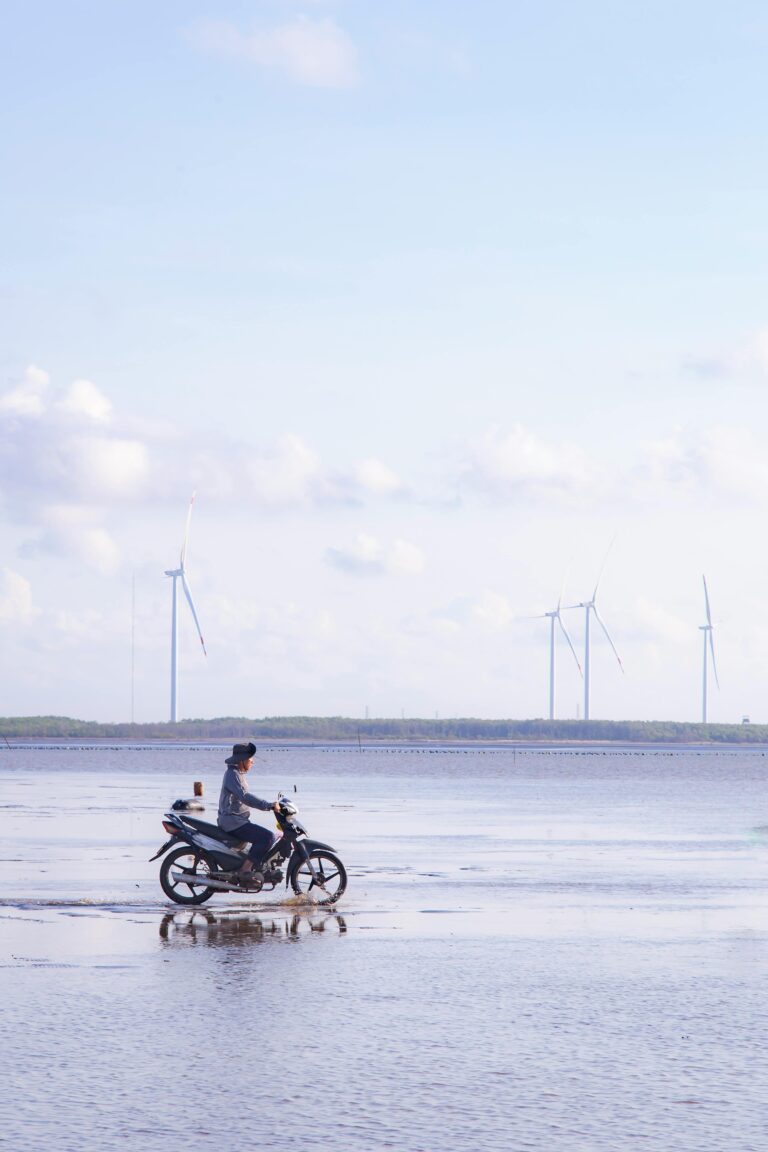
Rural Europe is no longer just “the farm.” In 2026, rural areas are seeing a resurgence driven by remote-work refugees and state-sponsored digital infrastructure.
- The Remote Work Shift: While fully remote work has declined to roughly 10–15% of vacancies, the “Hybrid” model (working from home 2-3 days a week) has become the new European standard. This allows professionals to live further from city centers, revitalizing villages in Tuscany, Scandinavia, and Ireland.
- Innovation Outperformers: Rural innovation is no longer an oxymoron. While urban centers lead in R&D, over 20% of rural regions—particularly in Western Germany, Upper Austria, and South-Western France—now exceed the EU average for R&D intensity.
- Government Incentives: To combat depopulation, countries like Italy and Spain continue to offer €1 homes and tax breaks for young families willing to relocate to rural hamlets and commit to long-term renovation and community contribution.
3. Comparing the 2026 Experience
| Feature | Urban (Metropolitan) | Rural (Regional) |
| Housing | Smaller, expensive, energy-efficient flats. | Larger, affordable, detached homes. |
| Connectivity | 5G/6G standard; hyper-connected. | High-speed fiber/Satellite (Starlink) growth. |
| Economy | High-pay services, AI, Finance, R&D. | Agriculture, bio-economy, remote-hybrid work. |
| Transport | Low-car usage; 15-minute city focus. | Car-dependent (shifting toward EVs). |
| Social | Diverse, fast-paced, high “burnout” risk. | Stronger community bonds, slower pace. |
4. Key 2026 Trend: The “Communal” Middle Ground
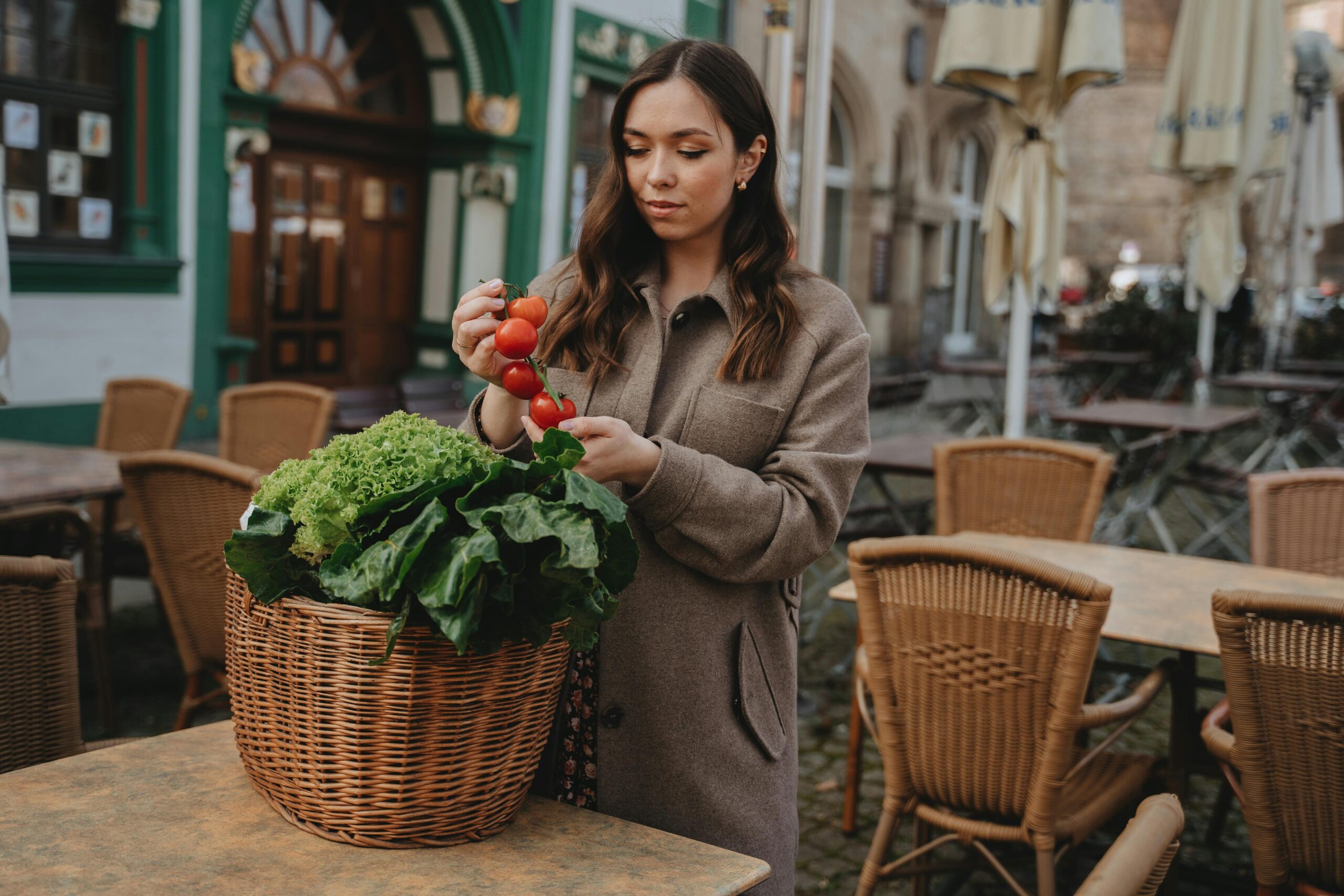
A rising 2026 lifestyle trend is the Intentional Rural Community. Burnt-out urban professionals are increasingly moving to “community-style” rural settings where food production, construction, and governance are shared responsibilities.
- Pros: Lower living costs, closer connection to nature, and reduced isolation compared to traditional rural living.
- Cons: These settings often require “active contribution”—hours of gardening or shared meetings—which can be more exhausting than the urban “rat race” for those not prepared for collective labor.
5. Summary: The Evolving Divide
In 2026, the gap between “city” and “country” is closing in terms of opportunity, but widening in terms of lifestyle philosophy. Cities are for those who prioritize access and speed, while rural areas are becoming the preferred choice for those seeking space and sovereignty.
Policy Insight: The European Commission’s 2026-2027 Horizon Europe program has allocated over €14 billion to support rural competitiveness, specifically aiming to link university graduates with rural entrepreneurs to ensure the “innovation divide” continues to shrink.
About the Author