
Worst Car Loan Mistakes Americans Make in 2026 That Add Thousands to Your Total Cost
In 2026, the average American spends over $35,000–$50,000 on a financed vehicle. Yet millions lose $2,000–$8,000+ in unnecessary interest and fees due to preventable mistakes. According to Bankrate and LendingTree data, the most common errors involve skipping pre-approval, focusing only on monthly payments, and trusting dealer financing without shopping around.
Avoiding these worst practices can save you thousands and keep your financial health strong. Here’s a comprehensive breakdown of the top worst car loan mistakes in 2026, why they hurt, real examples, and exactly how to avoid them.
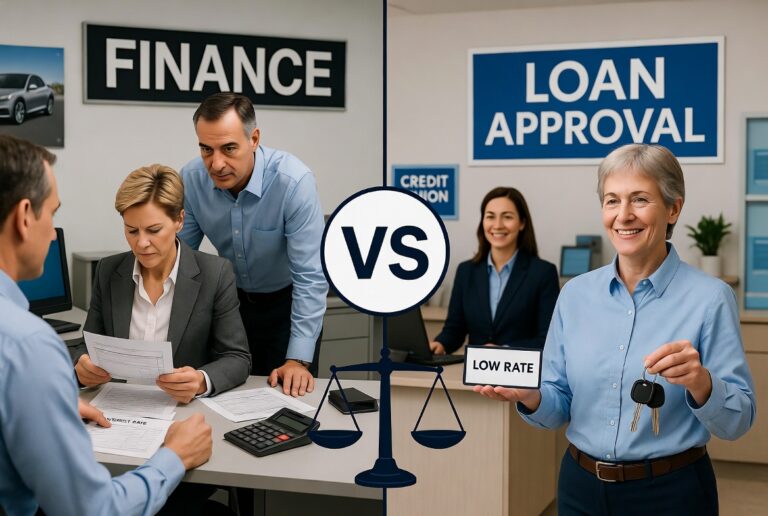
1. Not Getting Pre-Approved Before Shopping (The #1 Costly Mistake)
Walking onto a dealership lot without pre-approval is like negotiating with one hand tied behind your back. Dealers will run your credit and push their in-house financing, often marking up the rate by 1–3 percentage points.
Why it’s bad in 2026: With average rates around 6.93% (Bankrate), a marked-up 9–10% rate on a $35,000 60-month loan adds ~$1,800–$3,000 extra interest.
Real example: A buyer with 720 credit score gets pre-approved at 5.5% from a credit union but accepts dealer financing at 8.5%. Over 5 years: extra ~$2,600 paid.
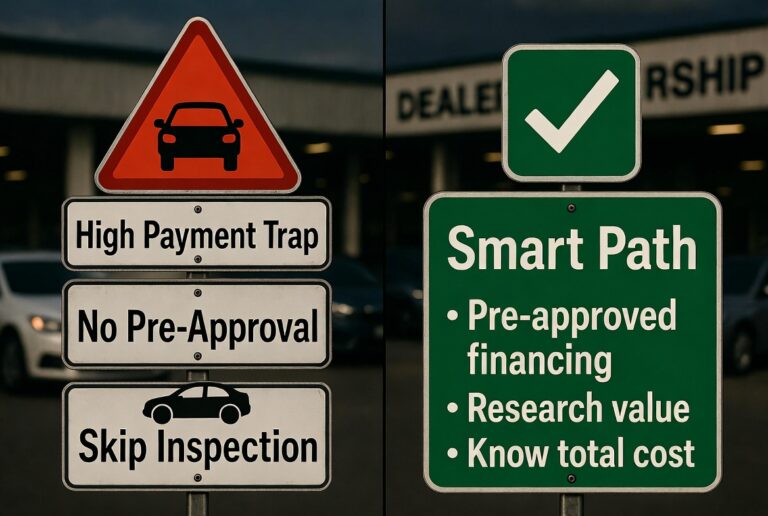
How to avoid: Get pre-approved from 2–3 lenders (PenFed, Navy Federal, or local credit unions) 1–2 weeks before shopping. Show the dealer your pre-approval letter to negotiate better.
2. Focusing Only on the Monthly Payment Instead of Total Cost
Dealers love this one. They’ll stretch your loan to 72–96 months to drop the payment to something affordable-looking, but you’ll pay far more interest overall.
Pros/Cons trap: Lower monthly payment feels good short-term, but longer terms mean more interest and higher chance of being “upside down” (owing more than the car is worth).
2026 reality: An 84-month loan at 7% on $35k costs ~$4,500+ more in interest than a 60-month loan at the same rate.
Avoid it: Always calculate total loan cost (principal + interest). Use online calculators and negotiate the out-the-door price first, then the rate/term.
3. Accepting Dealer Financing Without Comparing Offers
Dealer finance offices often have incentives to sell you the highest rate possible. Promotional “0%” deals are rare and usually require perfect credit + specific models.
Worst case: Hidden fees, negative equity rollovers, and pressure to add expensive warranties.
How to beat it: Bring competing pre-approval offers. Credit unions consistently beat dealers on rates (often by 1–2%+).
4. Ignoring Your Credit Score and Not Improving It First
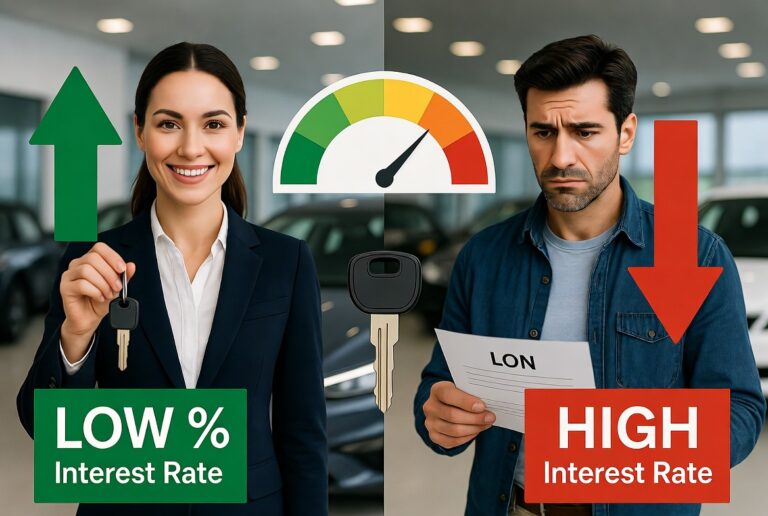
Your credit tier directly determines your rate (super-prime 781+ gets ~4.66% new car vs deep subprime 16%+).
Mistake details: Applying without checking score, or multiple hard inquiries in a short time.
Fix: Check free reports (AnnualCreditReport.com), fix errors, pay down debt, and wait 30–60 days if needed before applying.
5. Rolling Negative Equity into a New Loan
Trading in an underwater car and adding the negative balance to the new loan increases your principal dramatically and keeps you upside down longer.
2026 warning: With slower depreciation on some EVs but still rapid on others, this mistake compounds with high rates.
Better approach: Pay down the old loan or sell privately to avoid rollover.
6. Choosing Long Loan Terms (72+ Months) Without Calculating Total Interest
Popular for affordability, but dangerous. You end up paying for a depreciated car long after its warranty expires.
Data point: Many 84-month loans push total interest into the $8k–$12k range on mid-size vehicles.
7. Skipping Gap Insurance (or Buying It Unwisely) on Financed Cars
If the car is totaled early, you could owe thousands without gap coverage. But overpaying for it through the dealer is another trap.
Pros/Cons: Worth it for new/high-value financed cars with low down payment; shop it separately for cheaper rates.
8. Not Shopping Multiple Lenders or Ignoring Credit Unions
Sticking with big banks or the first offer misses the lowest rates (PenFed at 3.39%, Navy Federal ~3.89%).
Membership myth: Most credit unions have easy join paths.
9. Falling for Add-Ons and Extended Warranties at the Finance Desk
These are high-margin products for dealers. Many are overpriced or duplicate manufacturer coverage.
Rule: Say no at the desk and research independently later.
10. Not Reviewing the Full Loan Documents Before Signing
Rushed signatures lead to surprise fees, higher rates, or unfavorable terms.
Pro tip: Read everything. Walk away if anything feels off.
Additional 2026-Specific Pitfalls
- High-rate online “bad credit” lenders without checking alternatives.
- Ignoring insurance impact: Full coverage required by lenders increases premiums.
- Economic factors: Fed rate environment keeps shopping essential.
How to Avoid All These Mistakes – Action Plan
- Check & boost credit score.
- Get 3+ pre-approvals from credit unions/online lenders.
- Research car price independently (invoice pricing tools).
- Calculate total cost for different terms/rates.
- Negotiate price first, financing second.
- Budget for insurance, maintenance, and gas.
- Consider buying used/certified pre-owned for better value.
Bottom line savings: Avoiding the top 3 mistakes alone can save the average buyer $4,000–$7,000 over the loan life in 2026.
By being prepared and disciplined, you turn the car-buying process from a financial trap into a smart investment.