In March 2026, the European approach to work-life balance has shifted from a “benefit” to a fundamental labor right. Driven by the post-pandemic digital transition and the 2024–2025 “Burnout Crisis,” European societies are currently leading a global movement toward Time Sovereignty—the ability for an individual to dictate when and where they work.
Here is the landscape of work-life culture across Europe as of early 2026.
1. The “100-80-100” Revolution (The 4-Day Week)
2026 marks the year the 4-Day Work Week moved from experimental to mainstream in several key economies.
- The Model: Most companies follow the “100-80-100” rule: 100% of the pay for 80% of the time, provided 100% of the productivity is maintained.
- Germany & The UK: Following the massive 2024–2025 trials, over 35% of mid-sized firms in these countries have officially adopted a permanent 4-day structure. The goal is to combat the chronic labor shortages by making roles more attractive to parents and younger generations.
- The AI Dividend: AI is the silent enabler of this trend. By using agentic AI to handle administrative “drudge work,” employees can complete their weekly output in 32 hours instead of 40.
2. Legal Protections: The “Right to Disconnect”
In 2026, the boundary between “home” and “office” is protected by law in over 15 EU member states.
- France (The Pioneer): It remains a strict cultural norm that employees are not expected to respond to emails after 6:00 PM. In 2026, some French firms have integrated “auto-bounce” features that delete incoming internal emails sent during a worker’s vacation.
- Belgium & Portugal: These countries have introduced heavy fines for companies that contact workers outside of designated hours.
- The 2026 “Digital Wellbeing” Audit: EU labor inspectors now include “Digital Intrusion” as a metric during annual company health and safety audits.
3. Parental Leave and “Family-First” Design
Modern European social values prioritize the “re-balancing” of domestic labor.
- Scandinavia (The Gold Standard): Sweden and Norway continue to offer highly flexible “Shared Leave.” In 2026, there is a strong cultural stigma against fathers who do not take their full quota of parental leave.
- Spain: Recently expanded its non-transferable paternity leave, significantly closing the “career gap” between genders.
- The “Grandparental” Leave Trend: In 2026, several Mediterranean countries are trialing “Grandparental Leave” policies, allowing working grandparents to take time off to assist with childcare, recognizing the cultural importance of the extended family unit.
4. Comparative Balance: North vs. South vs. West (2026)
| Region | Primary Mechanism | Cultural Norm | Balance Score |
| Northern (Nordics) | High Trust/Flexibility | “Work to Live” (Leave at 4 PM) | Highest |
| Western (FR/BE/DE) | Legal Regulation | Strict boundaries; 4-day weeks | Very High |
| Southern (ES/IT/GR) | Social Integration | Long breaks; family-centric | High (Rising) |
| Eastern (PL/EE) | Tech-Led Efficiency | High productivity; remote-first | Moderate (Improving) |
5. Urban Design: The “15-Minute City” Impact
Work-life balance in 2026 is also a result of Urban Planning.
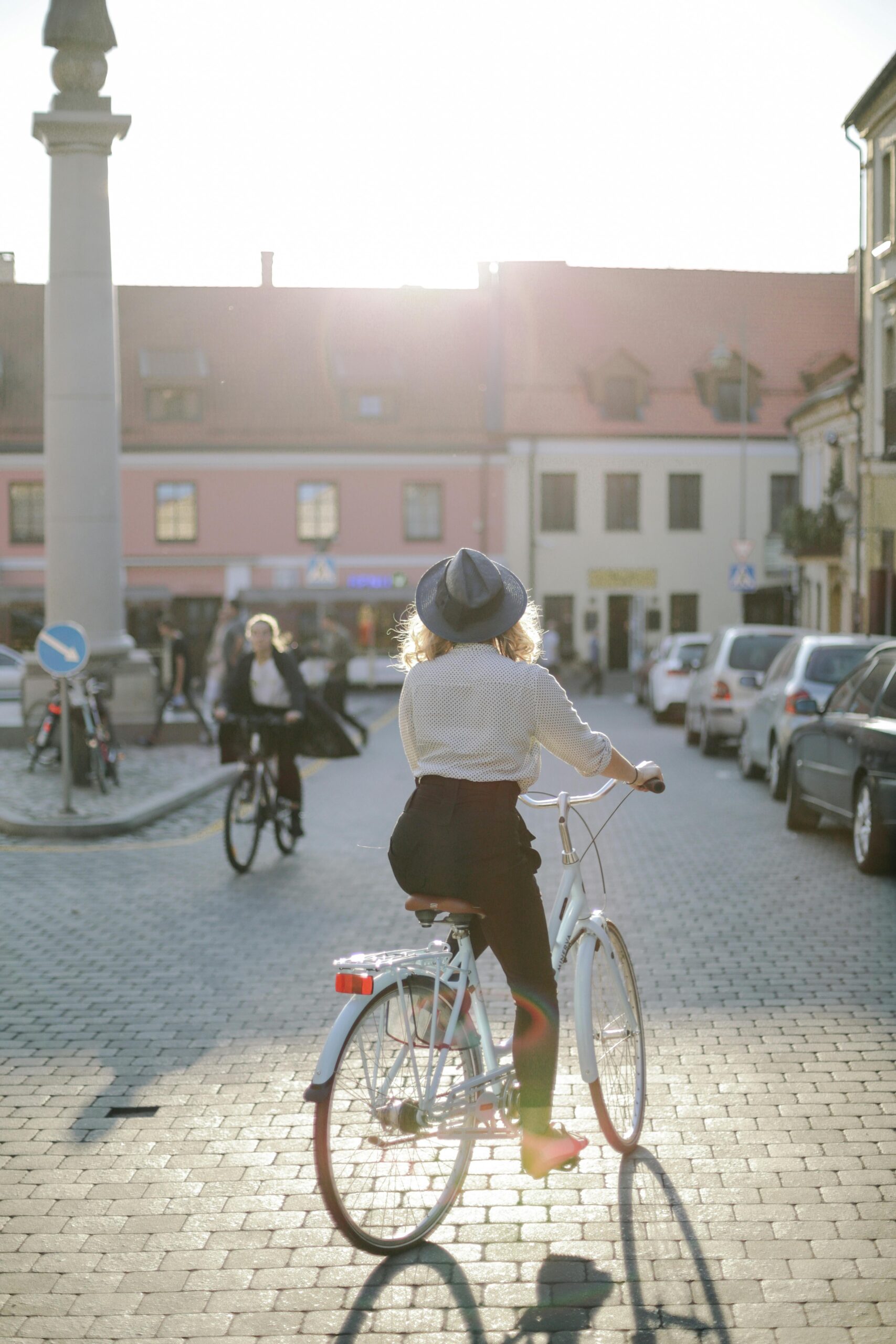
- Commute Elimination: Cities like Paris, Milan, and Barcelona have successfully implemented “15-Minute City” models. By ensuring that work, school, and leisure are all within a 15-minute walk or cycle, Europeans have “bought back” an average of 45 minutes of personal time per day compared to 2020 levels.
- Third Spaces: There has been a surge in “Neighborhood Coworking Hubs”—subsidized spaces that allow people to work near home without being at home, preserving the psychological “sanctuary” of the bedroom and living room.
6. Summary: The 2026 Outlook
The European model of 2026 views a rested worker as a more innovative and loyal worker.
Economic Insight: While critics initially feared a loss in GDP due to shorter hours, 2026 data shows that “Leisure-Led Growth” (increased spending in local tourism, cafes, and wellness) has actually provided a net boost to the European economy.
About the Author